





Fenster
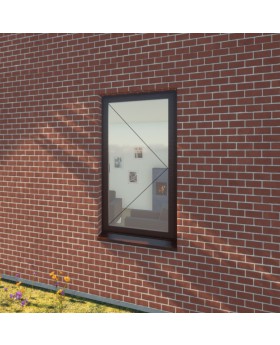
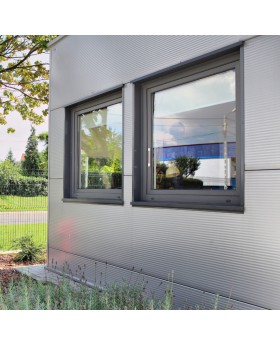
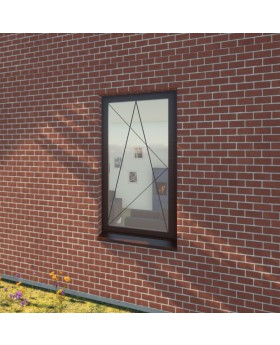
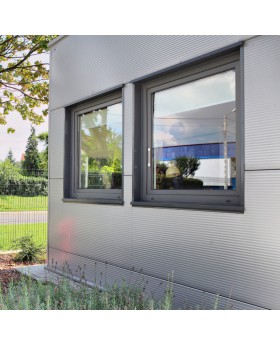
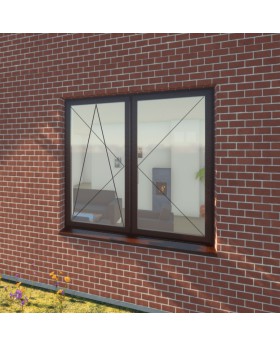
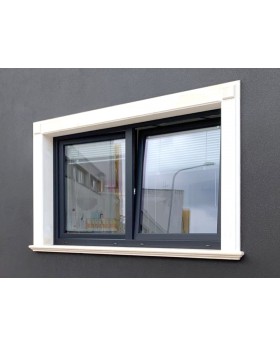

Aluminum or PVC windows – which option is best suited for a contemporary home?
The selection of joinery impacts not only the building’s aesthetics but, more importantly, its functionality and energy efficiency. Even during the design phase, many homeowners wonder: aluminum or PVC windows – which option is best for my home? While both have their benefits, aluminum windows are increasingly favored by discerning homeowners, architects, and developers, especially for modern, energy-efficient single-family houses. Discover the key factors to consider when making your choice.
How do aluminum windows differ from PVC windows?
Selecting the appropriate window material is a crucial choice that impacts not just the appearance, but also the performance and energy efficiency of your building. In the following, we will explore the key differences between Aluminum and PVC windows.
Materials:
Polyvinyl Chloride (PVC) is a man-made plastic widely favored in the window industry because of its durability, weather resistance, and cost-effectiveness. It is lightweight yet provides excellent thermal and sound insulation thanks to its insulating qualities.
On the other hand, Aluminum is prized for its outstanding strength and resistance to corrosion, making it a popular choice for contemporary large-window designs. Aluminum is sturdier and more rigid than PVC, enabling the creation of slimmer window frames and larger glass panels without compromising structural integrity.
Key Features:
Durability – Aluminum windows are significantly more resistant to physical damage and varying weather conditions compared to PVC windows. Aluminum maintains its shape even under extreme temperature fluctuations, which is especially important for public and commercial buildings.
Thermal Insulation – PVC naturally provides superior thermal insulation due to its material composition. The multi-chamber design of PVC profiles enhances their insulating properties, helping to reduce energy loss within a building. Although aluminum windows were once criticized for weaker insulation, modern advancements like thermal breaks have enabled them to deliver comparable thermal performance.
Aesthetics– Aluminum excels in contemporary design, offering sleek, slim frames and a minimalist appearance that is highly sought after in modern architecture. In contrast, PVC offers greater versatility in finishes and colors, thanks to its ability to be veneered.
Typical Uses:
PVC is commonly chosen for residential construction, including both new builds and renovations of single-family homes. Its excellent thermal insulation and low maintenance requirements make it well-suited for domestic settings where comfort and minimizing upkeep expenses are essential.
Aluminum, on the other hand, is favored in projects that emphasize expansive glazing and a sleek, contemporary appearance, such as office complexes, shopping centers, and upscale apartment buildings. Its strength and design flexibility allow for large, sturdy, and visually striking installations, making it the ideal choice when both aesthetics and durability are priorities.
Pros and Cons of PVC Windows
PVC windows are among the most commonly selected options in the window manufacturing industry. Their widespread appeal comes from numerous benefits, although, like any product, they also have some limitations. Presented below are the key pros and cons of PVC windows. Here they are:
Cost – PVC windows are recognized for their budget-friendly price, making them an appealing option for a wide range of financial plans. The expenses for purchasing and installing these windows are typically lower compared to those made from wood or aluminum. Despite their affordability, PVC windows do not compromise on quality, offering reliable performance and durability at a reasonable cost.
Thermal Insulation – PVC is a material known for its excellent insulating qualities. The multi-chamber design of PVC profiles helps maintain a consistent indoor temperature, which is essential for comfort and energy efficiency in buildings. Installing PVC windows can significantly reduce heating and cooling expenses.
Ease of Installation – PVC windows are generally lighter than their wooden or aluminum counterparts, simplifying and speeding up the installation process. This lighter weight allows for quicker, less disruptive installations, which is especially beneficial during urgent repairs or fast-paced construction projects.
Drawbacks of PVC windows:
Reduced weather resistance – While PVC windows are durable against elements like moisture and mold, they tend to be less resilient when exposed to extreme temperatures and intense UV rays. In harsh conditions, the material may warp or discolor, which is a significant consideration in areas with strong sunlight.Design limitations – Although advancements in PVC window technology have expanded available colors and finishes, they still fall short of the visual appeal and versatility offered by materials like wood or aluminum. PVC frames generally have a bulkier, less refined appearance, which can be a drawback in contemporary architectural styles.
Pros and cons of aluminum windows
Aluminum windows are highly regarded in contemporary architecture for their stylish appearance and practical benefits. While they are an excellent option for many projects, they come with both strengths and weaknesses, outlined below.
Weather resistance – Aluminum stands up exceptionally well to diverse weather conditions such as rain, snow, and extreme temperatures. It doesn’t rust, crack, or warp, making it an ideal choice for areas with challenging climates.
Sleek design – Aluminum windows feature slim frames that enhance visual appeal and maximize glass area, a key element in modern architectural design. They come in a variety of finishes, from natural metallic tones to an extensive range of powder-coated colors, allowing seamless integration with any property’s style.
Long-lasting durability – Aluminum is a robust material, ensuring windows made from it can remain functional and attractive for decades with minimal deterioration. Although the initial investment is higher, the low maintenance costs make it a cost-effective choice over time.
Disadvantages of aluminum windows
Higher upfront cost – A primary drawback of aluminum windows is their generally higher price compared to alternatives like PVC or wood. This is due to the expense of raw materials and more complex manufacturing processes.
Thermal insulation concerns – Older aluminum window designs often lacked effective thermal insulation because aluminum conducts heat. Without proper insulating breaks, these windows could lead to increased heat loss. While modern aluminum windows now incorporate thermal barriers that greatly enhance energy efficiency, earlier models may still underperform in this area.